
A balanced plate without the food rules
A useful meal does not need a perfect label, a special powder, or a photograph-worthy arrangement.
Published 20 October 2026 · Updated 20 October 2026 · Editorial dates organize our collection; they are not original publication dates.
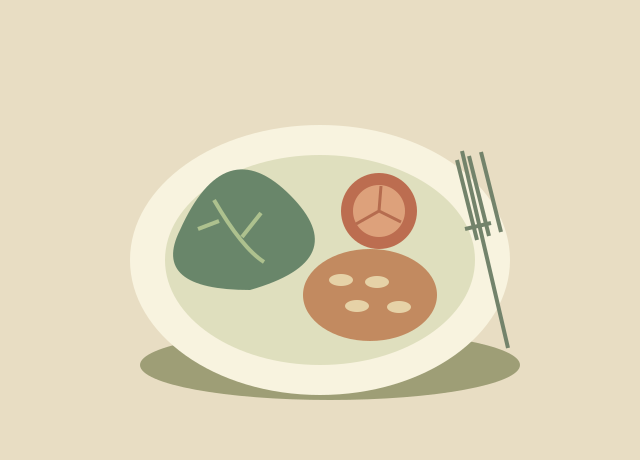
A useful meal does not need a perfect label, a special powder, or a photograph-worthy arrangement. It needs to fit the person eating it. Thinking about a few meal components can make everyday cooking easier while leaving room for culture, appetite, budget, and enjoyment. The point is to build a dependable starting place rather than another set of rules to follow.
A practical starting point
Look at a meal you already like. Is there a vegetable or fruit you could include? A grain, potato, or other carbohydrate? A source of protein such as beans, tofu, eggs, fish, or meat? These are planning prompts, not compulsory compartments. Mixed dishes count too. A lentil stew with bread can be just as practical as a carefully divided plate. Variety across meals matters more than making every plate identical.
What it can look like
For a busy evening, imagine rice left from yesterday, safely stored, with canned beans and frozen vegetables. Season it with a sauce you enjoy and add a little oil or a topping. You have used familiar ingredients rather than starting an entirely new routine. If the meal leaves you hungry, adjust the amount; if a component does not suit your needs, choose another.
Use the plate as a prompt, not a measure
A plate diagram cannot tell you how much you personally need, and it may not resemble the way your family serves food. If meals are shared from several dishes, look at the collection rather than each plate. A sandwich, curry, or soup can include several components at once. For a shopping shortcut, write down a few interchangeable ingredients in each group. Then you can choose according to price and availability. If you have an allergy or a prescribed dietary restriction, make those requirements the starting point; a general meal framework should adapt around them.
Three small steps
- Choose one familiar meal and identify what it already offers.
- Add one convenient plant food, rather than rebuilding the whole menu.
- Keep a short list of satisfying combinations for evenings with little time.
Sources & further reading
These sources inform this article. Guidance can change; check the linked organizations for their latest information.
This article is general education, not personalized medical advice. It has not been medically reviewed. Speak with a qualified health professional about your own circumstances.
A thoughtful conversation.
Please keep comments respectful and avoid sharing personal medical details. Comments are reviewed before appearing.